
1. Define realistic production demand
Estimate the concrete volume required during a normal working hour and during peak placement. Include truck cycle time, material supply and working interruptions instead of relying only on theoretical output.
Buyer guide
The best batching plant is not simply the largest model. A useful selection starts with the concrete application, realistic hourly demand, available land, aggregate supply and the way the project will operate.
Estimate the concrete volume required during a normal working hour and during peak placement. Include truck cycle time, material supply and working interruptions instead of relying only on theoretical output.
Stationary plants suit established production bases and long-term projects. Mobile plants suit changing locations and compact installation plans. Foundation-free designs can reduce civil-work requirements where ground conditions and local rules allow.
Share the number of aggregate types, maximum aggregate size, loader or belt-feeding preference, cement and additive requirements, water supply and local power standard.
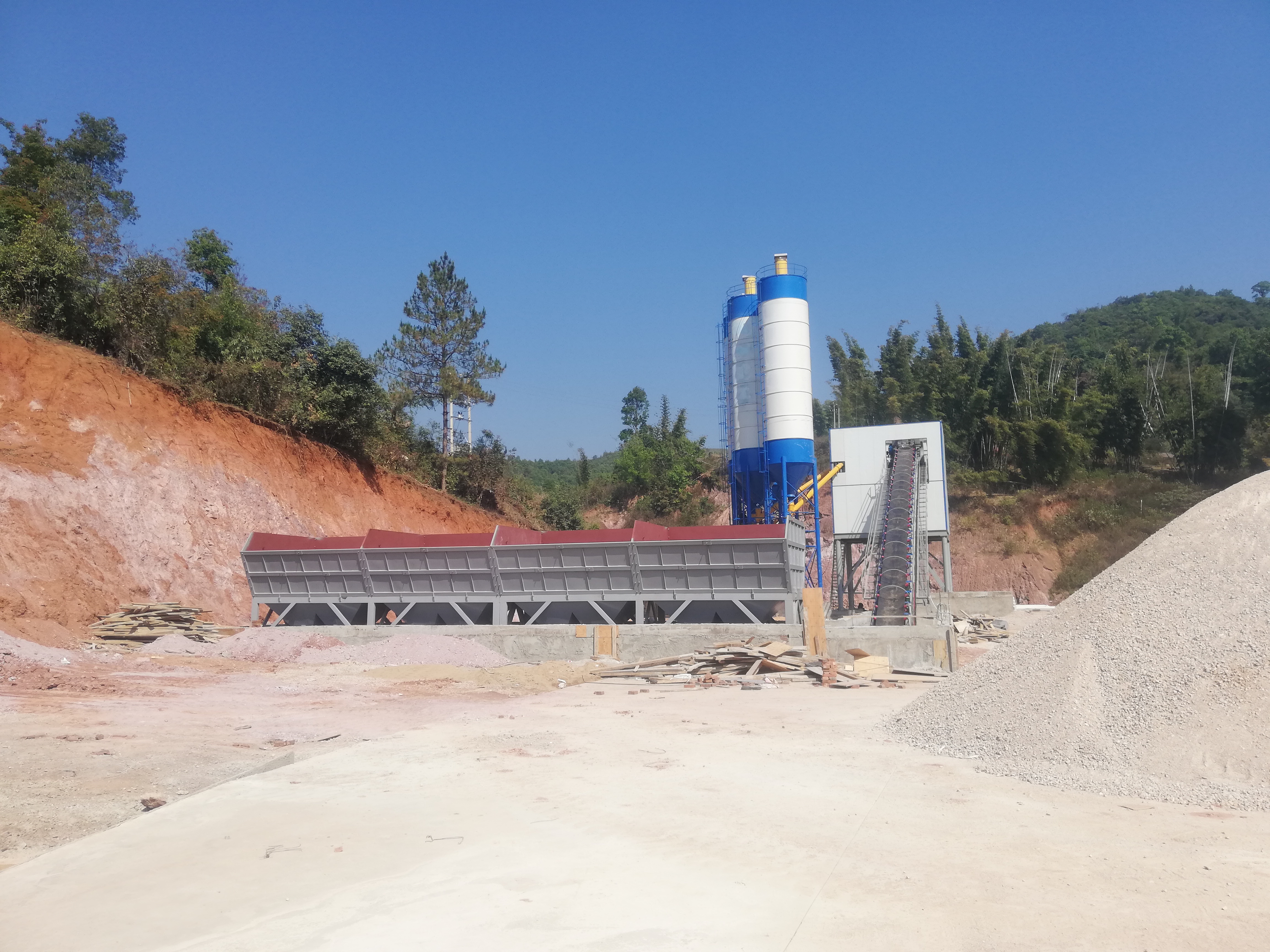
Site dimensions, ground conditions, vehicle routes, prevailing wind, silo position and discharge access can all influence the final layout. A drawing or clear site photos make the first proposal more relevant.
Contact Olivia
Send your output target, application, site conditions and destination country for a practical starting discussion.
Floor 5, Jingsha Jiafen Plaza, No. 8 South Jingguang Road, Erqi District, Zhengzhou, Henan, China